

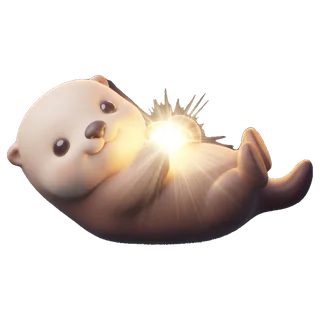
It is washing up
Sea otters eat on their backs and use their chests as a plate. Science World, which talked to the sea otter curators at the Vancouver Aquarium, says grease from the food gets into the fur. So after a meal an otter cleans up. Curator Nadine Trottier says sea otters lick their fur with their rough tongues and use their paws to clean places like their cheeks and backs. That quick little face rub is a wash.
Why clean fur matters so much
Seals and whales stay warm with blubber. A sea otter has only its fur. Science World says the hairs have tiny edges that lock together and keep the water away from the skin. Trottier says an otter may look wet, but its skin is dry.
That only works when the fur is clean. The Seattle Aquarium says dirty fur stops holding air, and then the cold water gets all the way to the skin. So a sea otter is not fussing over its looks. It is staying warm.
Paws over the nose
Not every paw on the face is a scrub. Science World says a sea otter has no fur on the skin of its nose or on the pads of its paws. To keep those bare spots warm, an otter will sometimes hold its paws over its nose.
Paws over the eyes
A resting sea otter floats on its back with its back feet out of the water. The Animal Diversity Web at the University of Michigan says the front legs are either folded on the chest or used to cover the eyes. An expert writing for The Conversation says sea otters resting in the daytime have been seen covering their eyes with their paws to help them sleep.
How they reach everywhere
It is not easy. Vancouver Aquarium curator Juliana Kirkelie-Kim told Science World that sea otters have short, stubby arms, a bit like a T. rex. Two things help. Their skin is loose, so they can pull their coat around to clean the hard spots, and their backs bend very well. Trottier says they will even turn a somersault to reach their back end. The Seattle Aquarium says they also roll and whirl in the water to get food scraps out of their fur.
Fluffing comes next
Scrubbing is half the job. As they clean, sea otters blow air into their fur. Kirkelie-Kim says the air adds a warm layer between the skin and the water, so the coat works like a down jacket. NOAA says rubbing and blowing air into the inner fur keeps it fluffy. The Monterey Bay Aquarium says grooming also coats the fur with natural oils from the skin.
Quick facts
- How long does it all take? The Seattle Aquarium says about 15 percent of each day. Science World says 11 to 48 percent of an otter's time, or around five hours a day. NOAA says it can be 8 hours.
- A sea otter's nose and paw pads have no fur.
- The Animal Diversity Web says mothers groom their pups a great deal for three months while the coat grows in.
- When a sea otter rubs down its fur, it can look like clapping.
- A sea otter may turn a somersault in the water to reach the fur on its back end.
Questions
Why do sea otters rub their cheeks?
To clean them. A curator at the Vancouver Aquarium told Science World that sea otters use their paws to clean places like their cheeks and backs, and lick their fur with their rough tongues.
Why do sea otters cover their eyes?
Most likely to rest. The Animal Diversity Web says a resting sea otter may fold its front legs on its chest or use them to cover its eyes, and an expert writing for The Conversation says they have been seen covering their eyes to help them sleep in the daytime. Science World adds that otters sometimes hold their paws over their bare noses to keep them warm.
Why do sea otters clap?
In the wild it is not really clapping. An expert writing for The Conversation says sea otters rub down their fur with their paws to trap air in it, and that this can look like clapping against their sides. Hitting a shell on a stone makes a clapping sound too. In zoos and aquariums, sea otters can sometimes be taught to clap.
Why do sea otters roll around in the water?
It is part of cleaning up. The Seattle Aquarium says sea otters groom their fur by rolling and whirling in the water to get rid of food scraps.
Are sea otters being shy when they hide their faces?
It looks that way, but none of the pages we read says so. They give three reasons for paws on the face: cleaning the fur, keeping a bare nose warm, and covering the eyes to rest.
Lumi is a cartoon sea otter. The facts on this page are about real sea otters.
Sources
Every fact above comes from these pages.